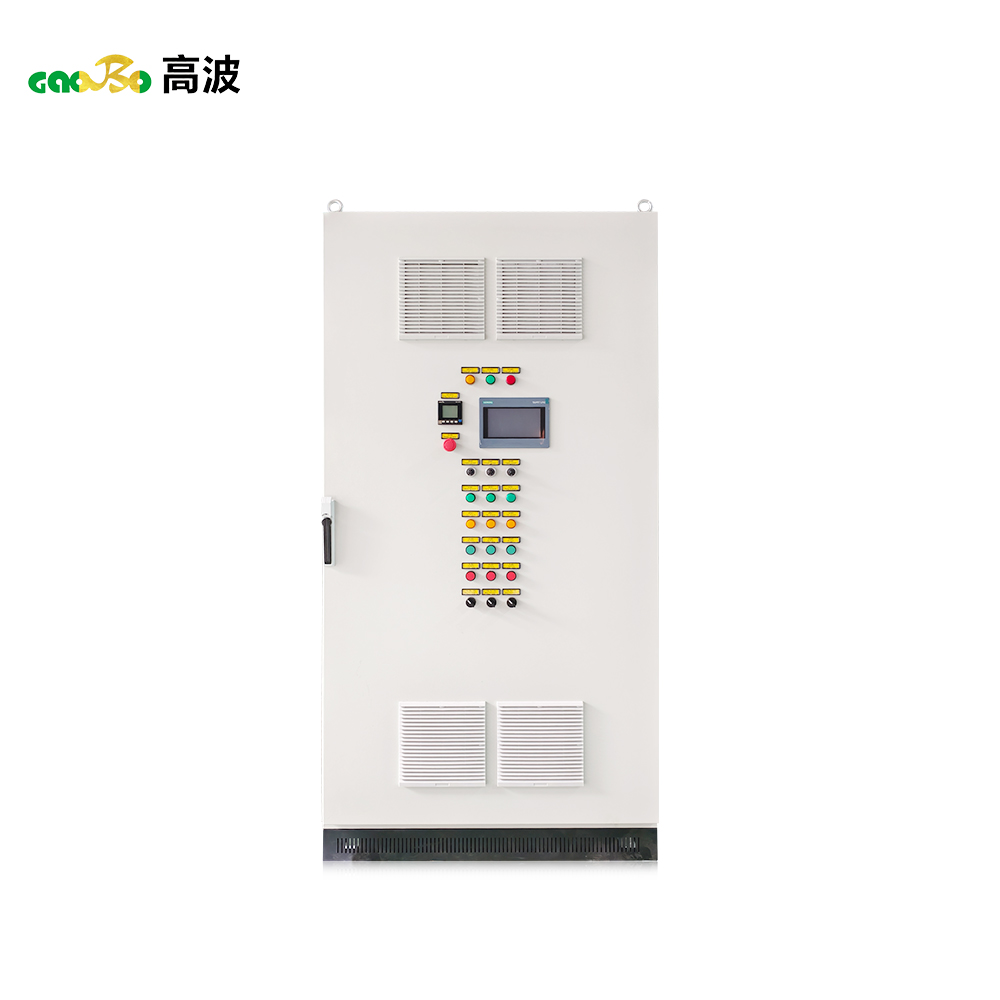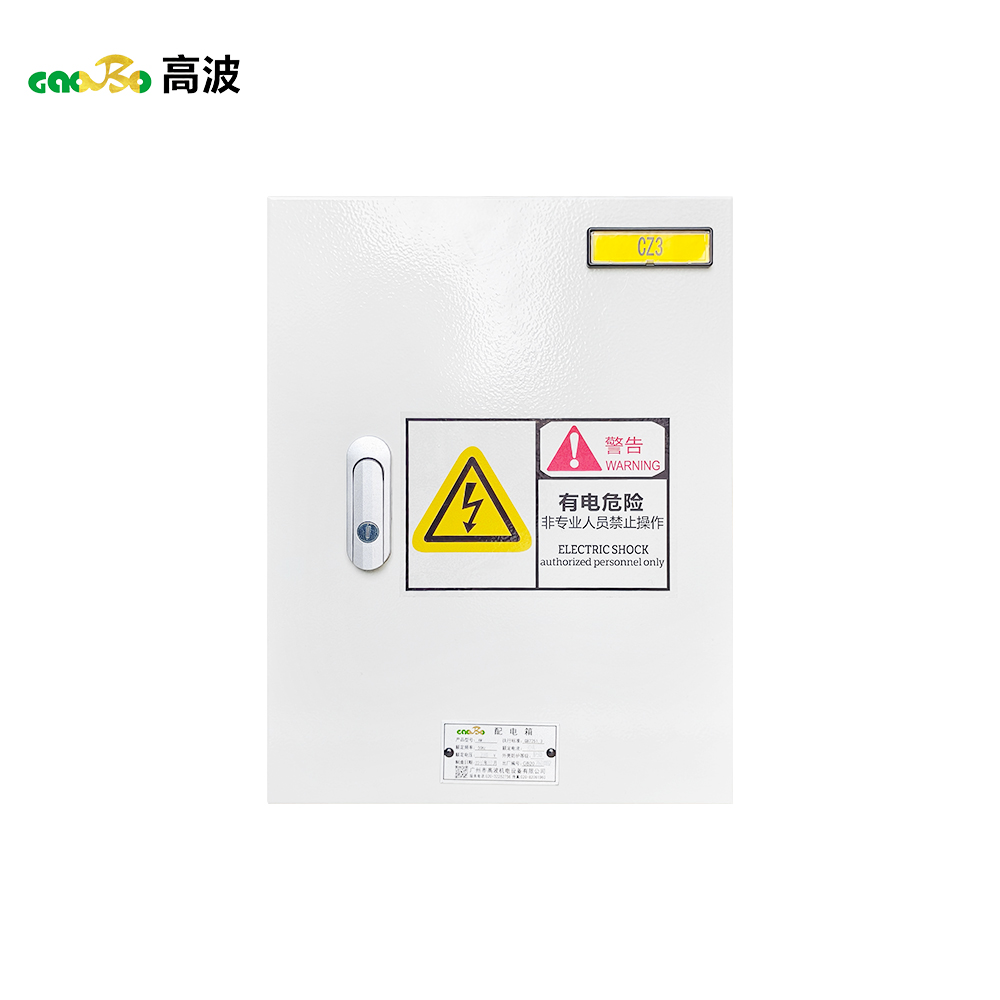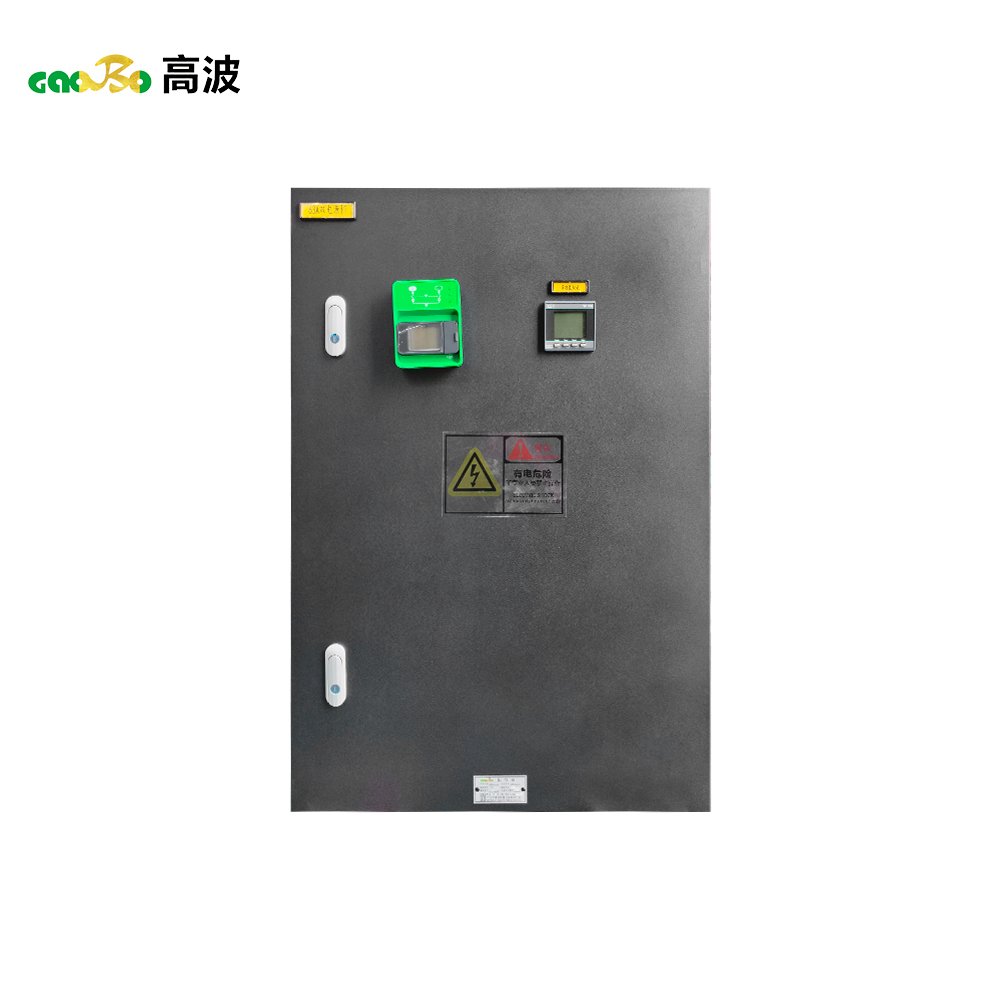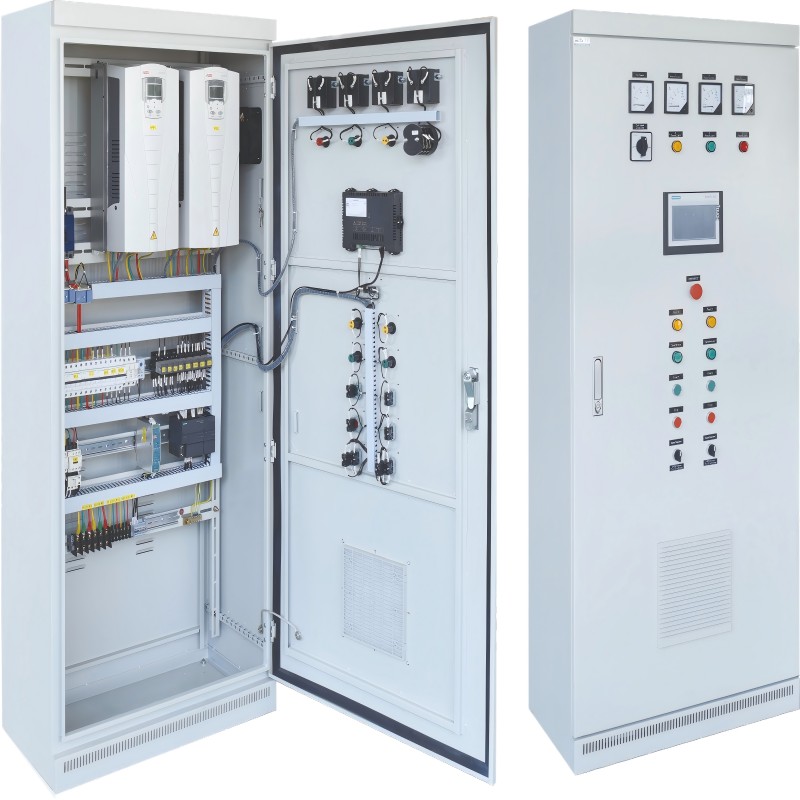


Gaobo Power Solution Factory Custom PLC Control Cabinet for Energy Management
The Structure of a PLC control cabinet:
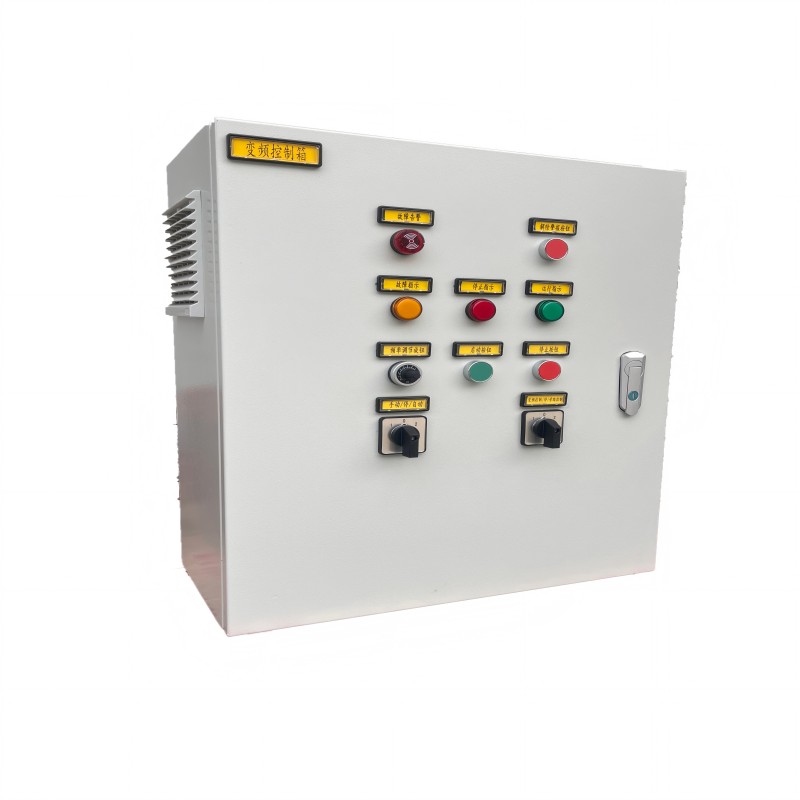
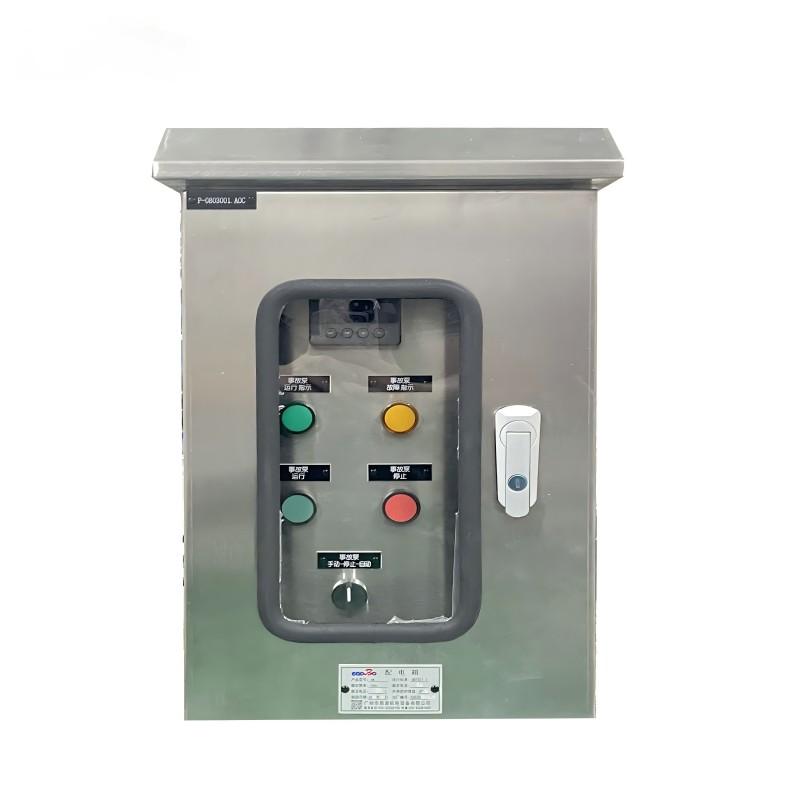
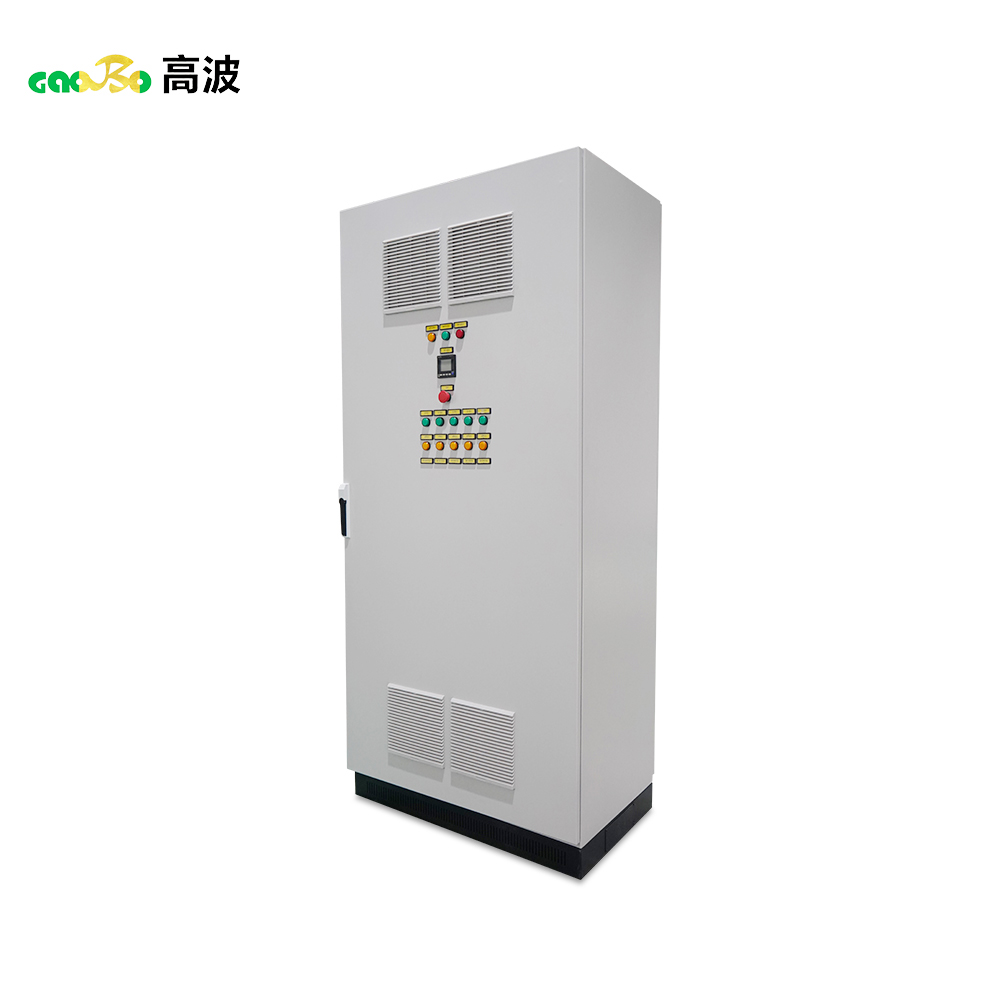
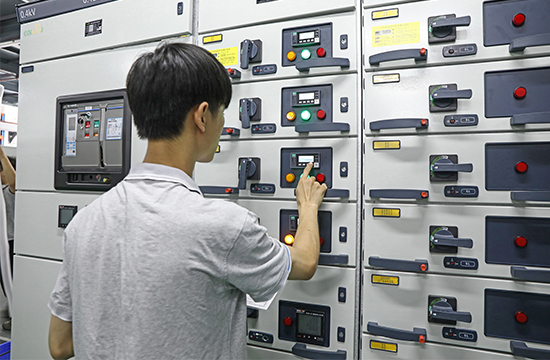
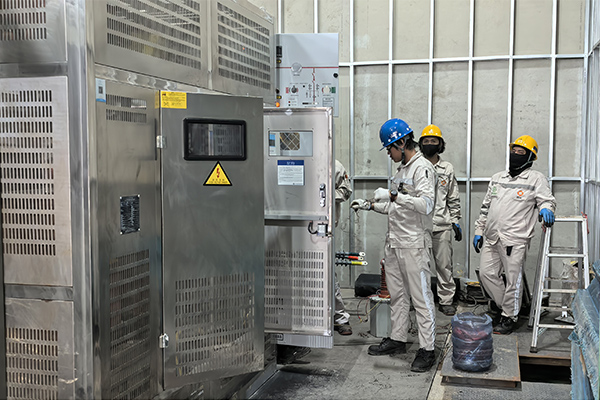
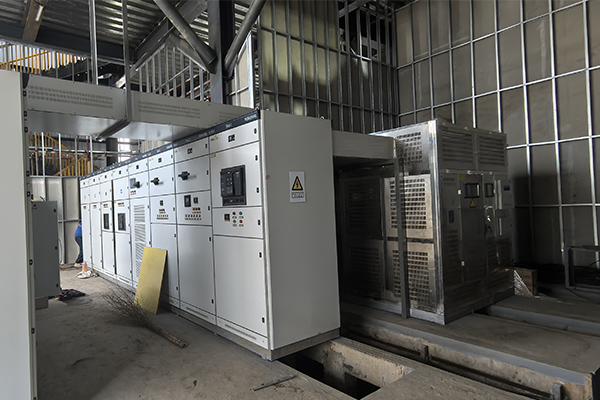
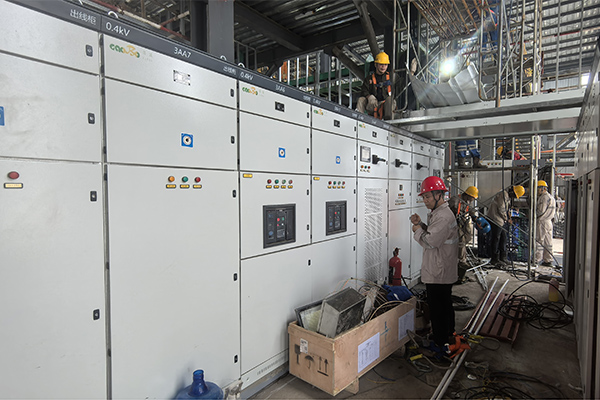
A PLC control cabinet typically consists of a chassis, door lock, control panel, cooling system, power module, and cable management system. The chassis is the main body of the control cabinet, used to install and secure various control modules and equipment.

The Features of PLC Control Cabinet:
1. Flexible Programmability: The PLC control cabinet can be programmed to implement different control logics, adapting to various operational needs.
2. High Reliability: The PLC control cabinet employs reliable hardware and software design, exhibiting high stability and reliability.
3. Remote Monitoring: Through the communication module, the PLC control cabinet can achieve data exchange and remote monitoring with a host computer or HMI (Human-Machine Interface).
4. Fault Diagnosis: The PLC control cabinet has fault diagnosis capabilities, enabling timely detection and alarm of faults, facilitating troubleshooting and repair by maintenance personnel.
5. Expandability: The PLC control cabinet can be expanded with input/output modules as needed to meet different control requirements.

The Usage Conditions of the PLC Control Cabinet:
1. Ambient Temperature: The PLC control cabinet should operate within the specified ambient temperature range, typically between 0℃ and 55℃.
2. Relative Humidity: The relative humidity of the control cabinet should be controlled between 30% and 90% to ensure normal operation of the equipment.
3. Power Supply Stability: PLC control cabinets require high power supply stability and should be powered by a stable and reliable power source to avoid voltage fluctuations affecting the equipment.
4. Protection Rating: Depending on actual needs, PLC control cabinets can be selected with different protection ratings, such as IP20 and IP54, to protect the equipment from dust, moisture, and other external factors.
Company Profile
-------------------
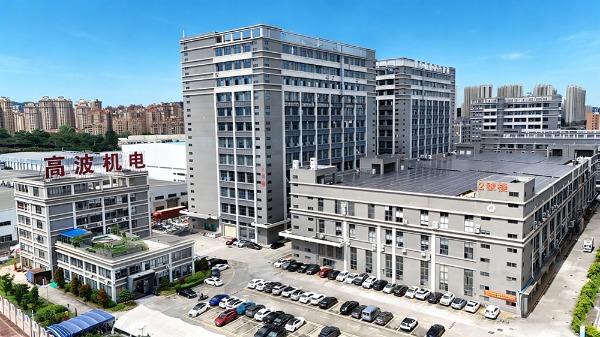
About US 18+ Years Experience
Gaobo Power Solution - Your Reliable Partnerfor Intelligent Power Distribution With 18 years ofexpertise in the power distribution industry,Guangzhou Gaobo Electromechanical Equipment Co., Ltd. is a high-tech enterprise specializing inthe design, manufacturing, and sales of high and low voltage switchgear from 11kv, 22kv, 33kv up to 40.5kV, as well as providing professional intelligent power distribution solutions.
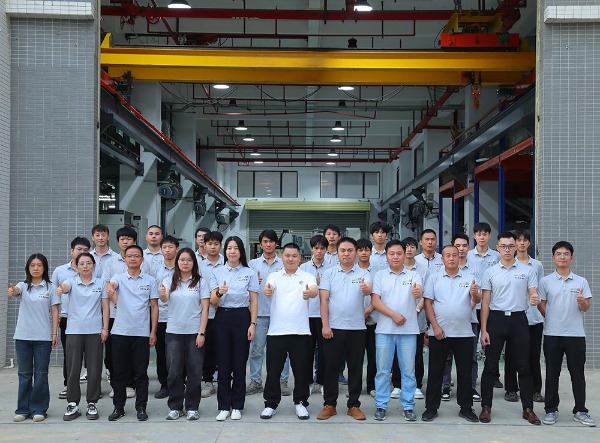
Why Partner with Gaobo?
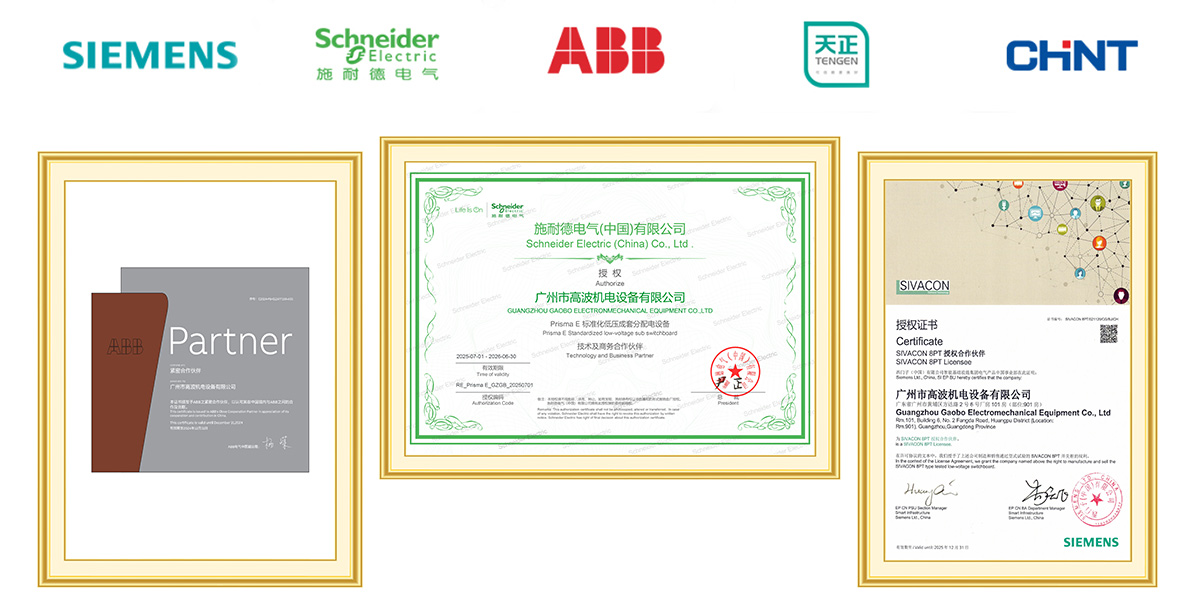
Certified Quality & Safety: We adhere to stringentinternational standards, holding full ISO 9001, ISO14001, and ISO 45001 management systemcertifications,guaranteeing reliable and safe productsand services. Strong Technical & CollaborativePlatform: With 16 independent intellectual propertyrights and long-term strategic partnerships withindustry leaders like Siemens, Schneider Electric,and ABB, we hold official manufacturingauthorizations for their key products.
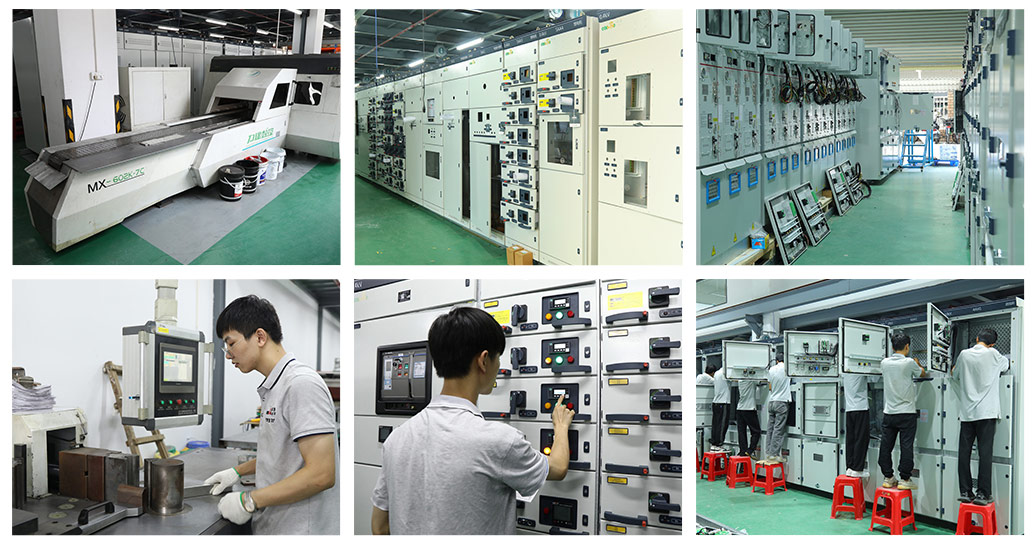
Welcome to Visit Our Factory, We offer Customized Service
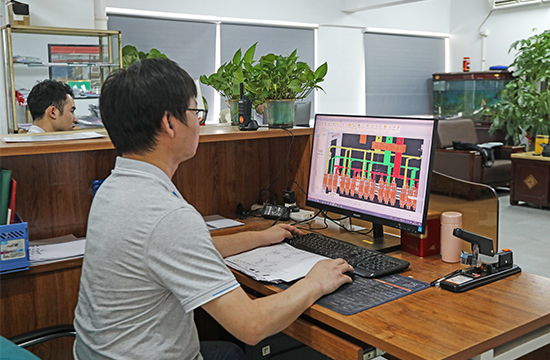
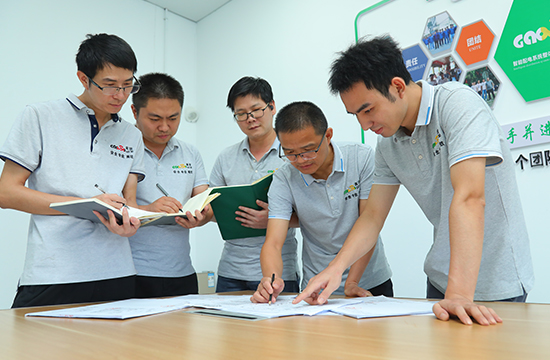
Factory Team and Equipment
----------------------------------------
Cooperation Partner
---------------------
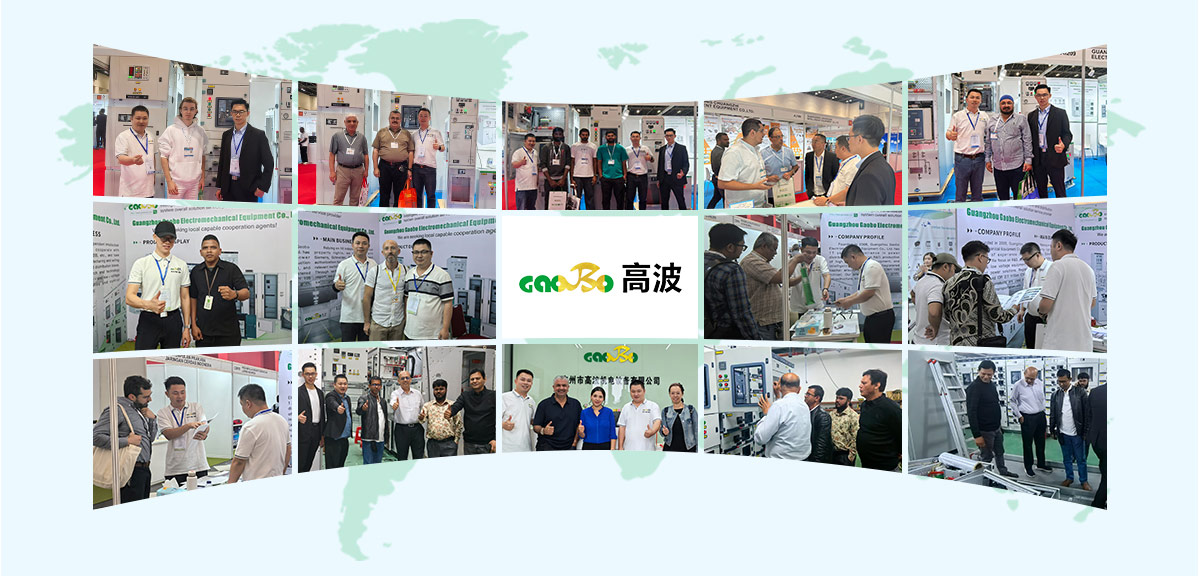
International Exhibition
-----------------------
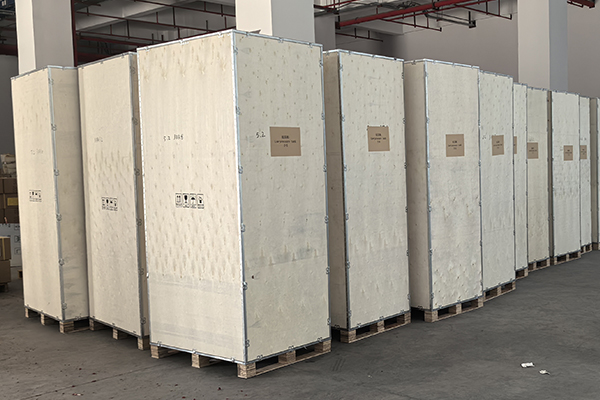
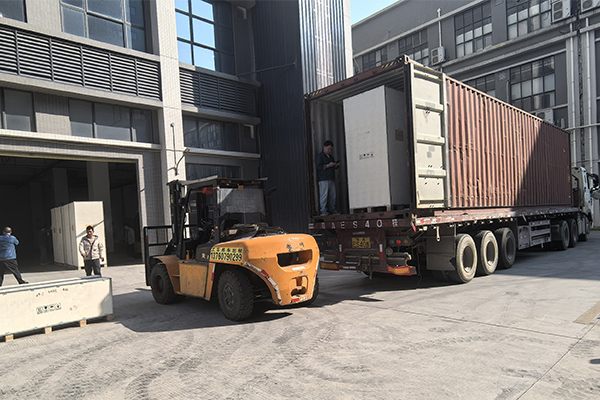
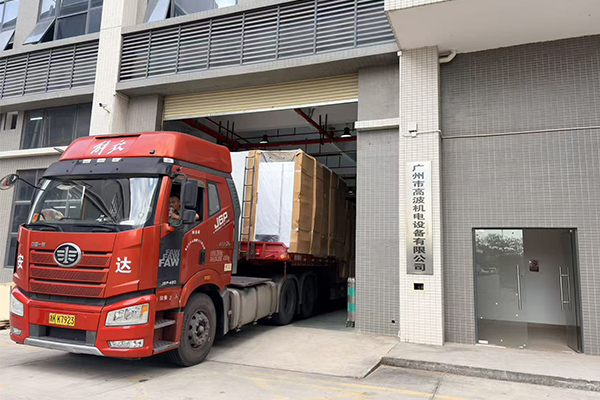
Packing and Delivery
-----------------------
Any Power Solution Question, Please Contact Us and Leave Your Message
Gaobo Switchgear Power Solution Team