High Voltage&Low Voltage Switchgear Cabinets Manufacturing Company. more than 17 years design and RD experience.


-
Leave a Message : qiuwenjie@gaoboele.com
-
Phone : +86 -17329948916

Leave a Message : qiuwenjie@gaoboele.com
Phone : +86 -17329948916

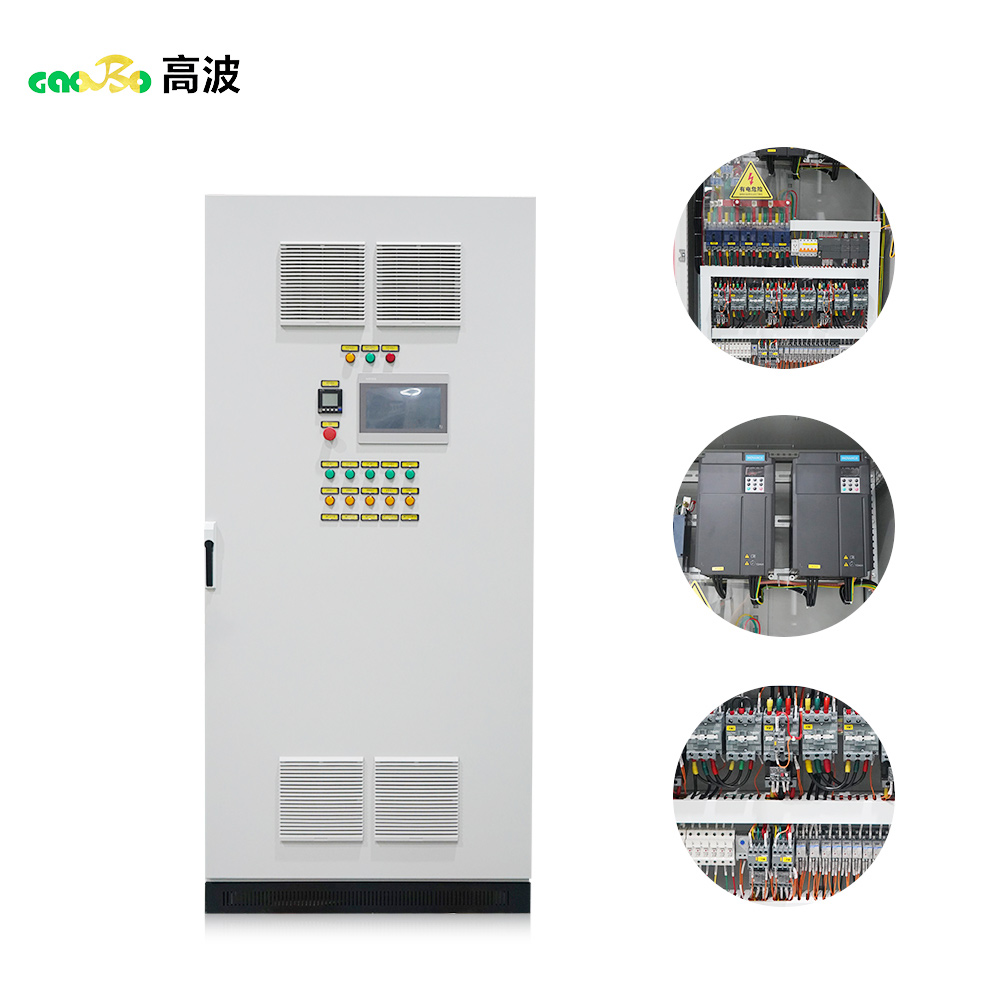
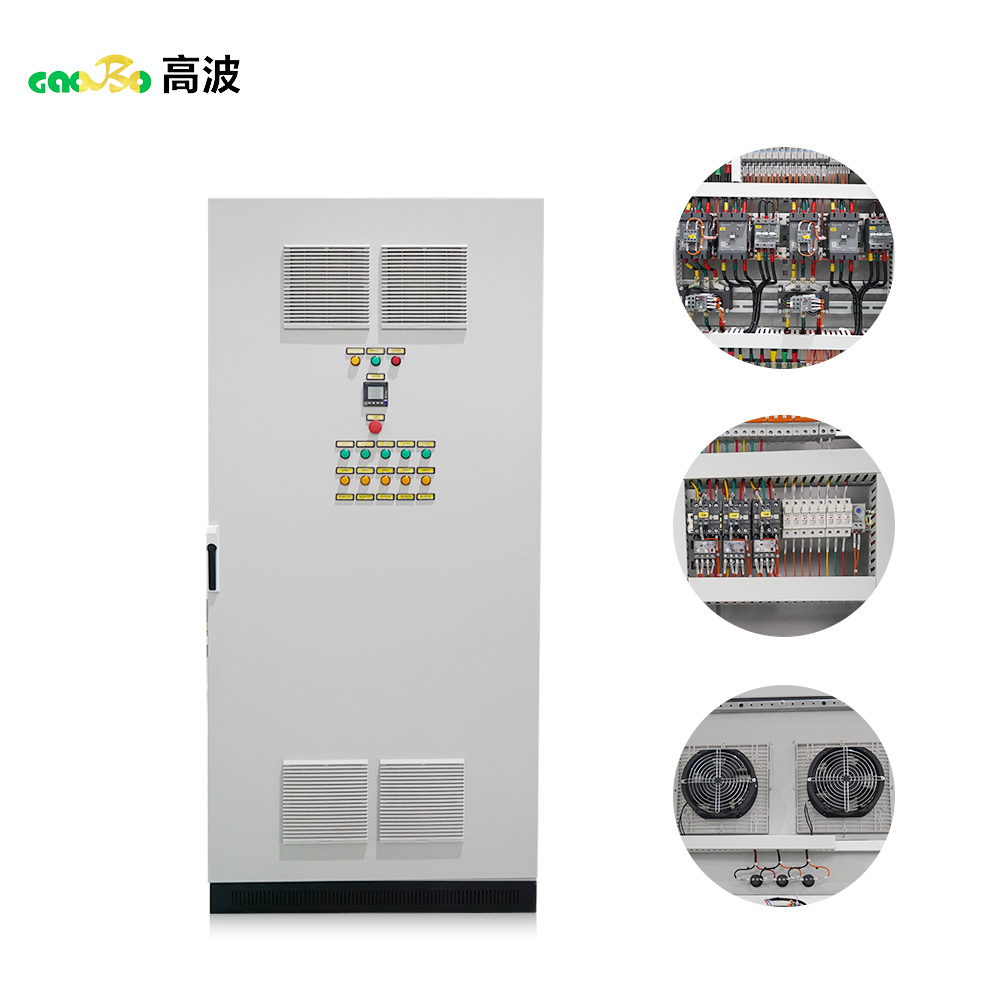
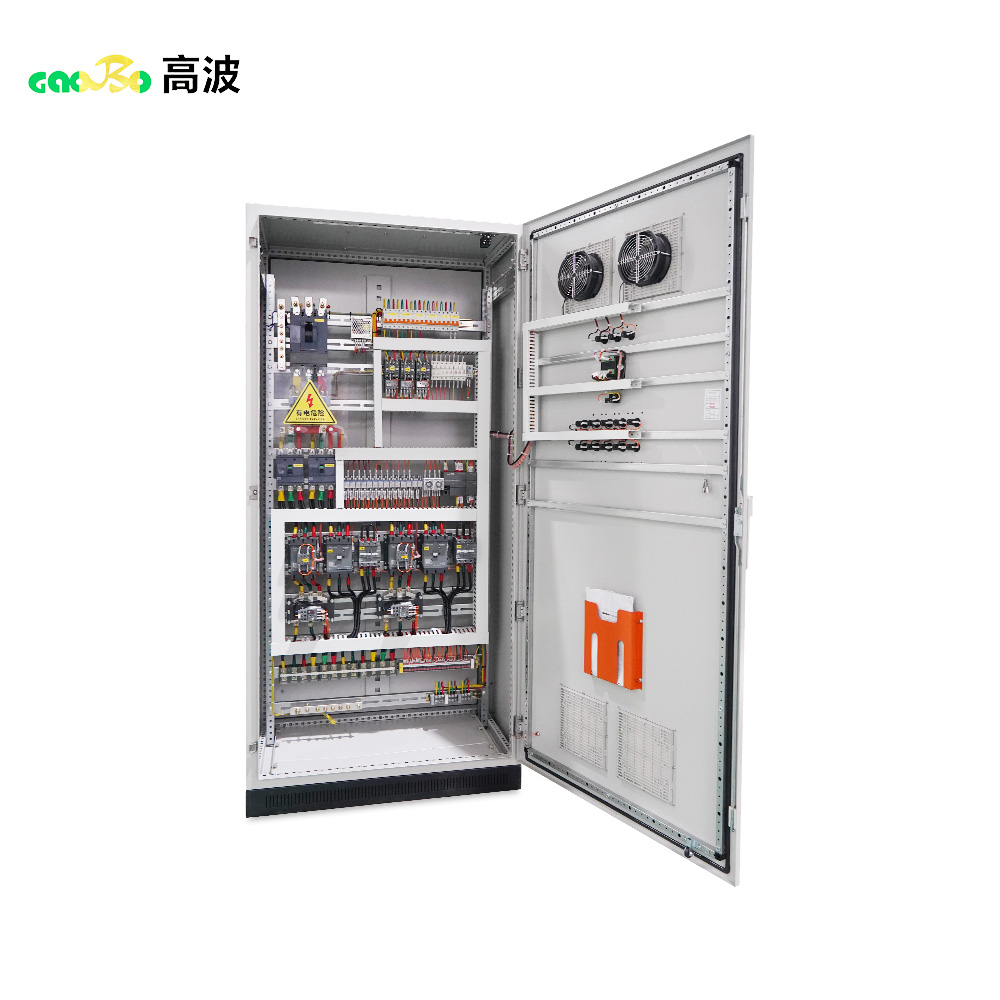
1. Control Method: Traditional relay cabinets use circuit control based on electromagnetic switches and relays, controlling the equipment by opening and closing circuits. PLC control cabinets, on the other hand, control the equipment through programming, utilizing logic operations and control algorithms.
2. Flexibility and Programmability: The control logic of traditional relay cabinets is implemented through circuit connections; modifying the control logic requires rewiring and component replacement. PLC control cabinets, however, are highly programmable; the control logic can be changed by modifying the programming code without requiring physical modifications.
3. Fault Diagnosis and Maintenance: Fault diagnosis and maintenance of traditional relay cabinets are relatively difficult, requiring individual inspection of circuit connections and component status. PLC control cabinets, on the other hand, have fault diagnosis capabilities, enabling fault location and troubleshooting through programming code and monitoring software.
4. Expandability and Reliability: Traditional relay cabinets have poor expandability, requiring the addition of relays and switches to expand control functions. PLC control cabinets, however, can expand control points by adding input/output modules, offering better expandability. Furthermore, PLC control cabinets use reliable solid-state components, resulting in higher stability and reliability.
5. Space occupation and wiring complexity: Traditional relay cabinets require a large space for installation due to the use of numerous relays and electromagnetic switches, and their wiring is relatively complex. In contrast, PLC control cabinets, which use digital signals for control, occupy less space and have relatively simple wiring.
In summary, compared with traditional relay cabinets, PLC control cabinets offer greater flexibility, programmability, fault diagnosis capabilities, scalability, and reliability. They better meet the needs of industrial automation control and provide more efficient and reliable control solutions.