High Voltage&Low Voltage Switchgear Cabinets Manufacturing Company. more than 17 years design and RD experience.


-
Leave a Message : qiuwenjie@gaoboele.com
-
Phone : +86 -17329948916

Leave a Message : qiuwenjie@gaoboele.com
Phone : +86 -17329948916

What is an Incoming Switchgear ?
An incoming Switchgear is a High or Low Voltage switchgear Cabinet that receives power from an external source. Generally, it receives 10kV power from the power grid. This 10kV power is then routed through the switchgear to the 10kV busbar. The switchgear used for receiving and distributing this power is called the incoming Switchgear.
Specifically, an incoming Switchgear is the main switchgear that receives power from the low-voltage side of a transformer (low-voltage power supply) into the distribution system. In substations with voltage levels of 35-110kV and above, the incoming switchgear is the low-voltage (10kV) switchgear cabinet of the transformer. That is, the first cabinet connected from the low-voltage side output of the transformer to the initial end of the 10kV busbar is called the incoming swtichgear, also known as the transformer low-voltage incoming switchgear.
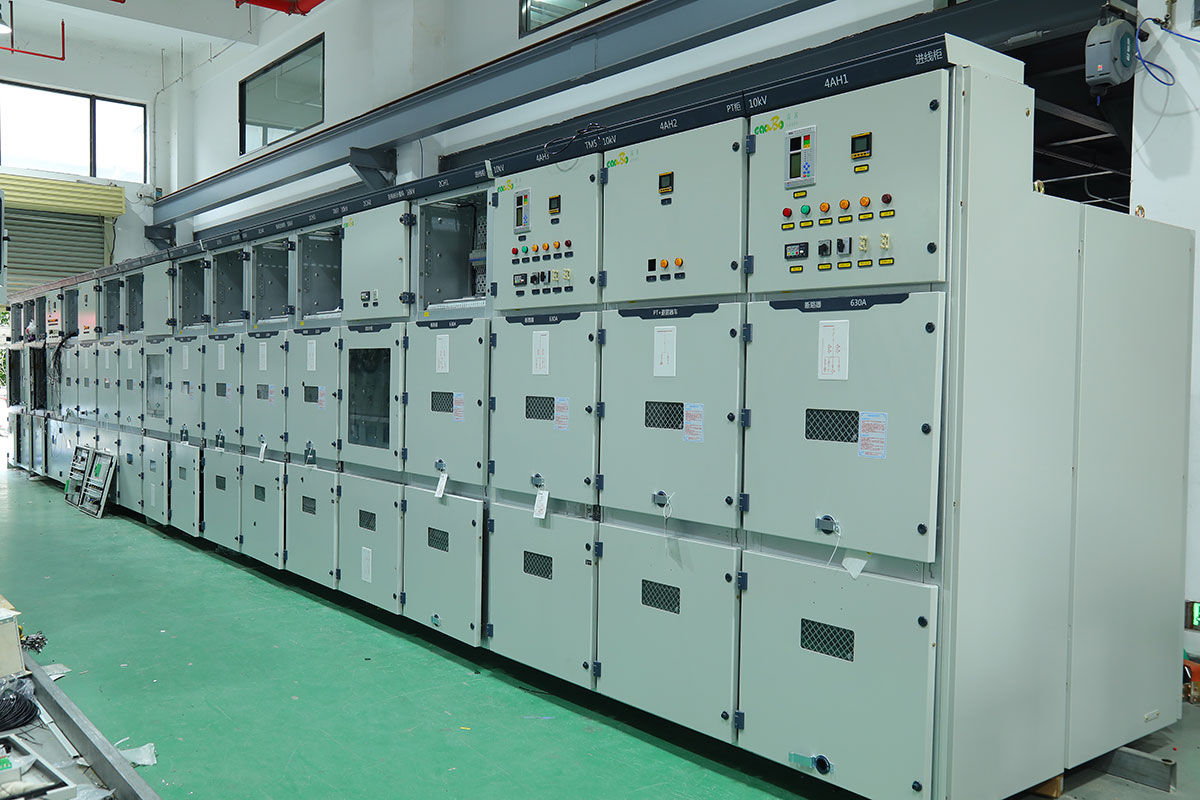
What is an outgoing switchgear cabinet?
An outgoing switchgear cabinet is a switchgear cabinet that distributes electrical energy from the busbar. For example, a switchgear cabinet that transmits power from a 10kV busbar to a power transformer is one of the 10kV outgoing switchgear cabinets. An outgoing switchgear cabinet is installed on the low-voltage side of the transformer to transmit electrical energy to the low-voltage busbar. Several low-voltage switchgear cabinets are then installed on the low-voltage side to distribute power to various loads. These low-voltage switchgear cabinets are all outgoing switchgear cabinets. If the low-voltage system is introduced from a nearby source, the low-voltage switchgear cabinet where the incoming line is connected is also an incoming switchgear cabinet, just at a lower voltage. Switchgear cabinets that draw power from the low-voltage busbar are also outgoing switchgear cabinets.
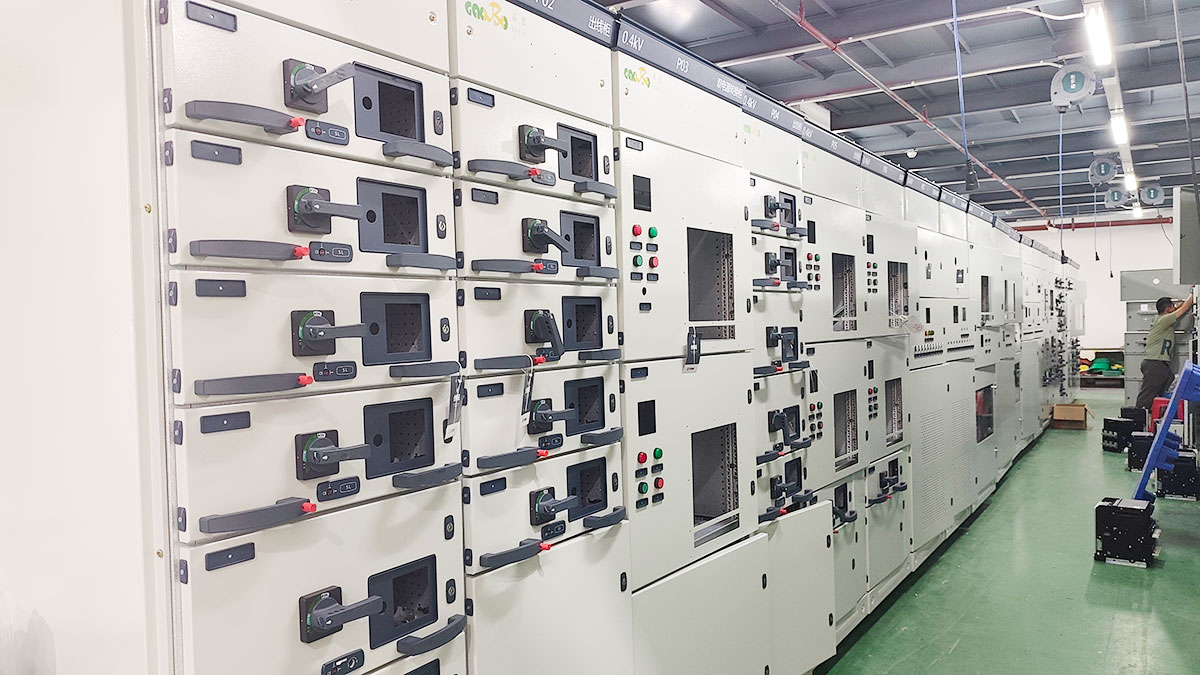
The Function of the Incoming Switchgear
The incoming switchgearl is the main switchgear Cabinet on the load side. This cabinet carries the total current of the entire busbar, and its importance is evident because it connects the main transformer to the low-voltage load output.
In terms of relay protection, when a fault occurs on the low-voltage busbar or circuit breaker of the main transformer, the overcurrent protection on the low-voltage side of the transformer trips the incoming feeder panel switch to clear the fault. A fault on the low-voltage busbar also relies on the backup protection on the low-voltage side of the main transformer to trip the incomingl switchgear. The transformer differential protection also trips the circuit breaker on the low-voltage side of the transformer, i.e., the incoming switchgear.
The Function of Outgoing Switchgear Cabinet
Electricity is supplied from the 10kV busbar to the power transformer via a switchgear cabinet; this switchgear cabinet is one of the 10kV outgoing switchgear cabinet.
An outgoing switchgear cabinet is installed on the low-voltage side of the transformer to supply electrical energy to the low-voltage busbar. Several low-voltage switchgear panels are then installed on the low-voltage side to distribute power to various loads. These low-voltage switchgear cabinet are all outgoing cabinet.
The above two types of switchgear cabinets are distinguished by their function. They are used in both low-voltage and high-voltage systems, and the same type of switchgear (such as the low-voltage GGD and the high-voltage KY28) can be used as an incoming switchgear cabinet, outgoing switchgear cabinet.
Further Information
Specific incoming and outgoing wiring methods: top-in/bottom-out, bottom-in/top-out, side-in/top-out, side-in/bottom-out, etc.
1. If using busbar bridges for incoming power, top entry is mandatory; if using cables, bottom entry is preferred.
2. The main connection methods between the transformer and the low-voltage incoming cabinet include: copper busbar side entry, busbar bridge top entry, and cabinet bottom cable entry.
3. Cables are generally routed from the bottom in and out, while busbars are more often routed from the top in and out. The specific method depends on the designer's considerations, including equipment selection, wiring method, civil engineering conditions, investment amount, and the owner's preferences.